
Sustainability of ATC Hall
Addressing environmental issues
Advanced Initiatives
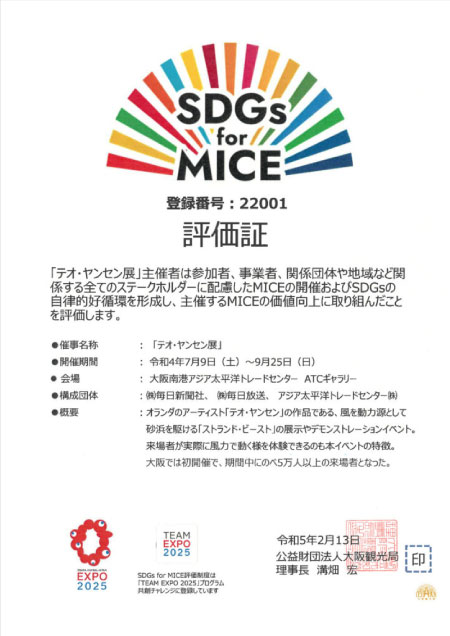
What is the SDGs for MICE Assessment System?
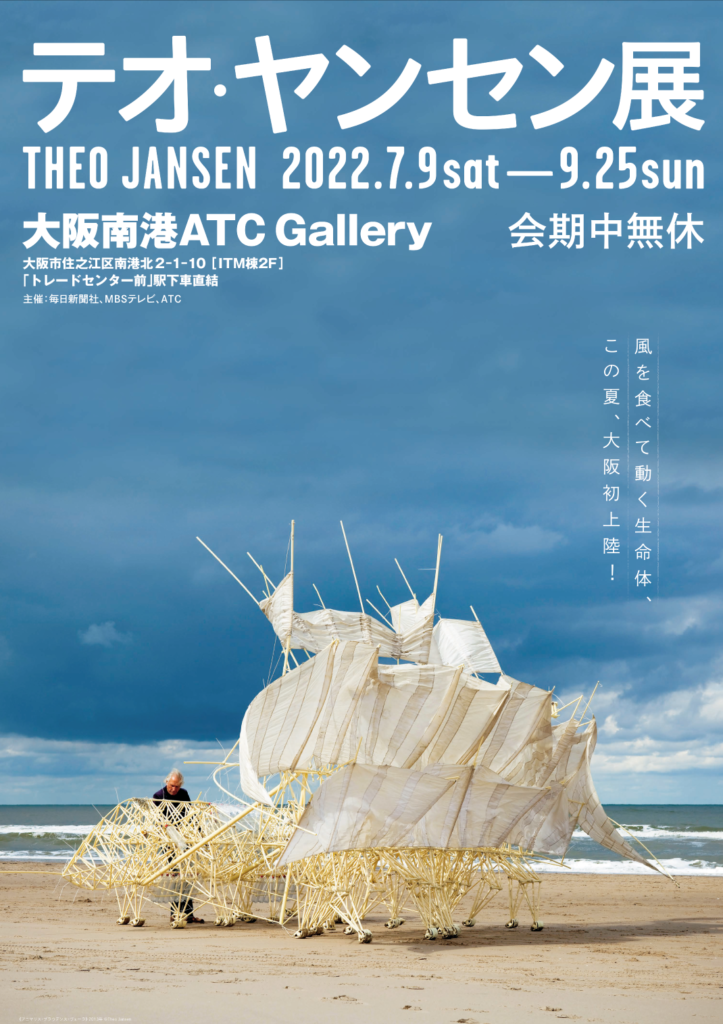
About the Theo Jansen Exhibition
Strandbeests are the work of Dutch artist Theo Jansen, and the wind-powered Strandbeests were created to help solve the problem of rising sea levels in his home country.
Theo Jansen himself came to Japan for the exhibition, and over 10 works were exhibited, some of which were shown in Japan for the first time.

ATC's first large-scale summer exhibition
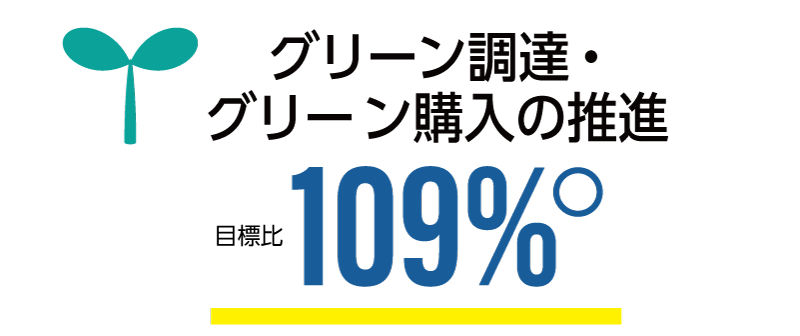
Introduced the "Green Power Certificate" system
Green electricity is "renewable energy" that utilizes natural energy such as solar and wind power. The Theo Jansen exhibition was the first to feature "PV-Green," a certification system that certifies green electricity generated from home solar power, at a large-scale exhibition. In keeping with the principle of local production and consumption, the electricity used was limited to that produced within Osaka Prefecture.

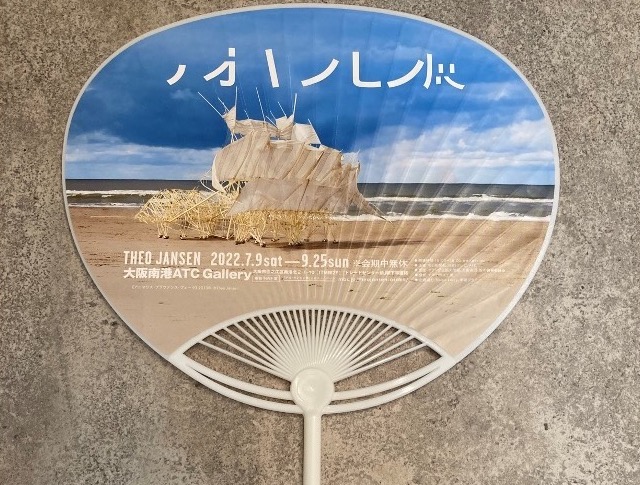
The Osaka Metro tie-up special fan is made from recycled plastic

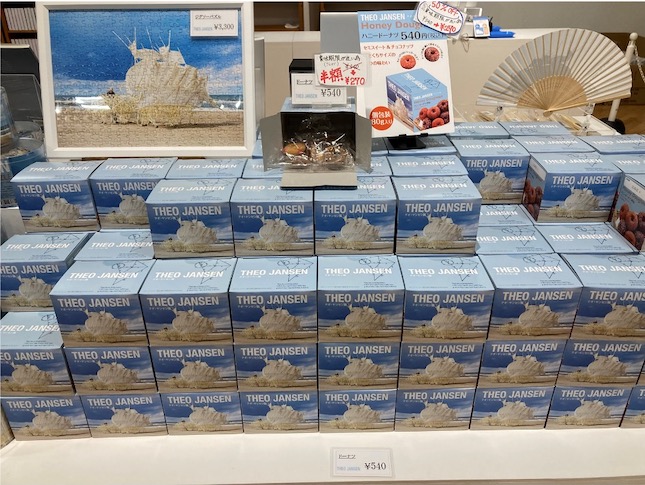
Products approaching their expiration date will be sold at half price, and all products will be on sale.
Evaluation Committee Summary and Results
This evaluation system appears to have been started in a trial-and-error state, but for the Theo Jansen exhibition, 118 of the 61 screening check items were applied for, and I respect the enthusiasm with which they have undertaken this.
Furthermore, the judging process was carried out by carefully reading plans and reports, and by directly checking on-site, so the descriptions were easy to understand and it can be objectively understood that the judging results were fair. The fact that the judges paid attention to items other than those applied for and evaluated items that they deemed appropriate shows that they took the system seriously. Furthermore, the 69-page implementation report for the Theo Jansen exhibition was extremely dense and of high quality. This is likely a result of the high awareness of the Theo Jansen exhibition organizers towards the SDGs, combined with their expectations for the SDGs for MICE Evaluation System.
We would like the applicant to go beyond this review report and go further in demonstrating further SDGs norms to the world.
Voice of the person in charge
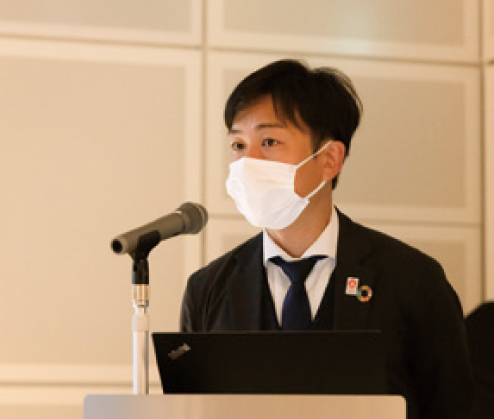
This time, as a first initiative, we have introduced the "SDGs for MICE Assessment System."
We added a little extra work to our usual activities, such as identifying changes through meetings with each stakeholder and preparing materials, and each person involved was able to work with awareness. If this evaluation system spreads to more people, I think it will help reduce environmental impacts from various directions.
Recently, we had the opportunity to speak about this initiative at a business alliance hosted by the Osaka Convention & Tourism Bureau.
We would like to continue to work on such initiatives and strive to propose MICE that is one step ahead.

Hall Business Department
Maekawa Masaki
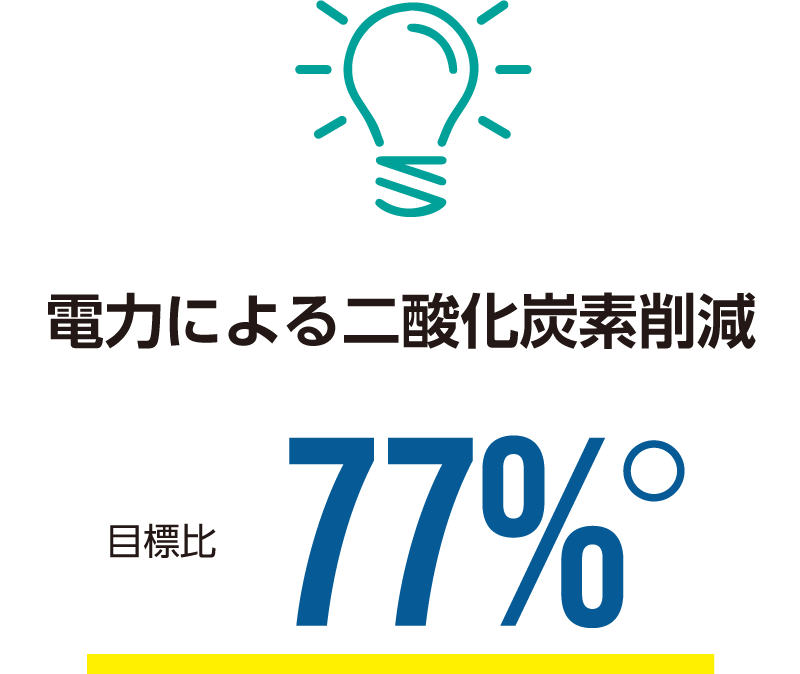
CO2
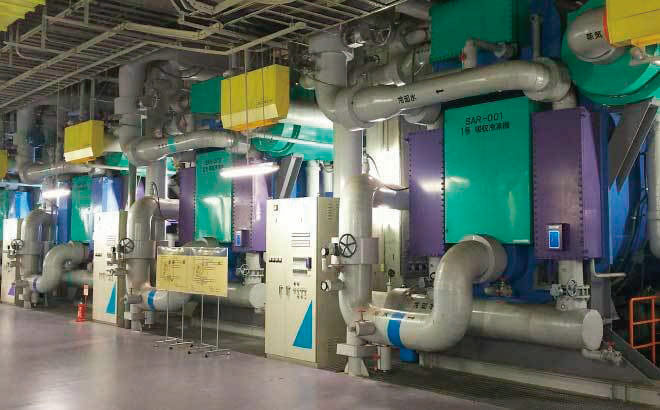
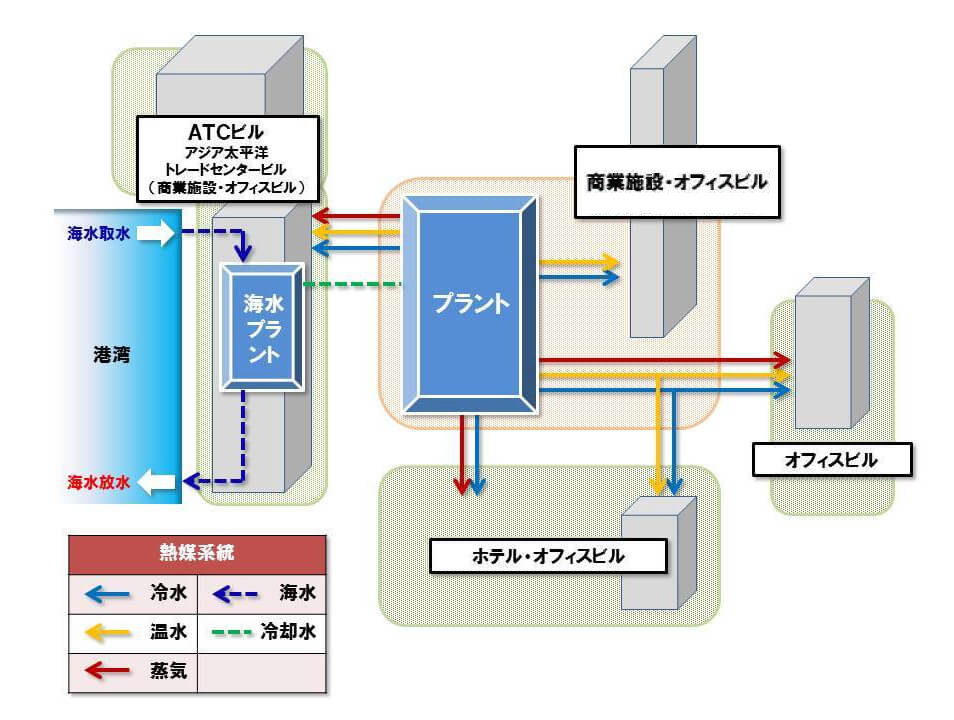
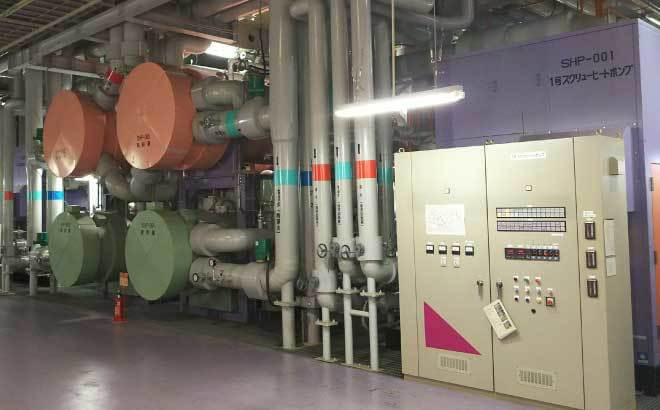
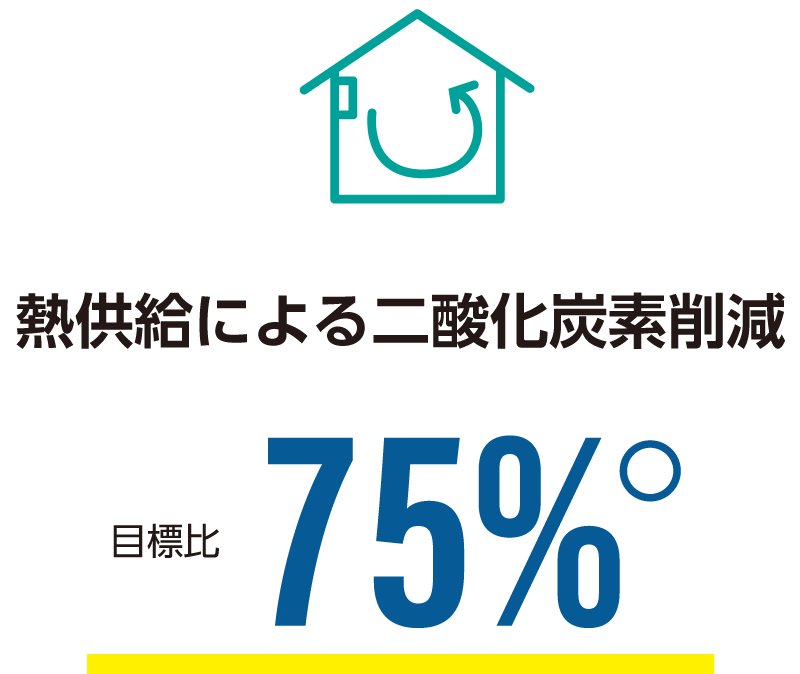
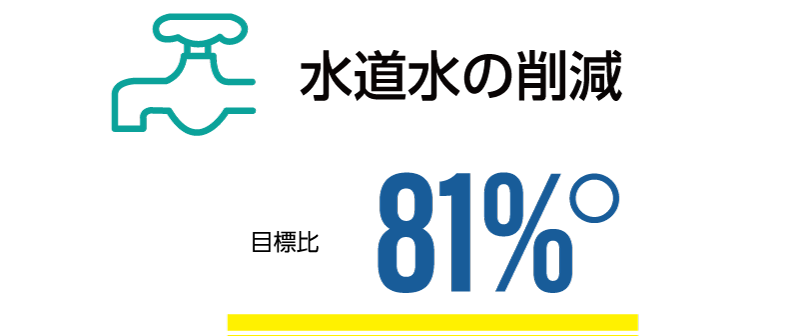
Seawater is used for heat source water and freezing water
Seawater pumped from the basement of the ATC Building is processed at the Nanko Heat Supply Center.
The water is used as a heat source and cooling water for nearby hotels, office buildings, and the ATC building.
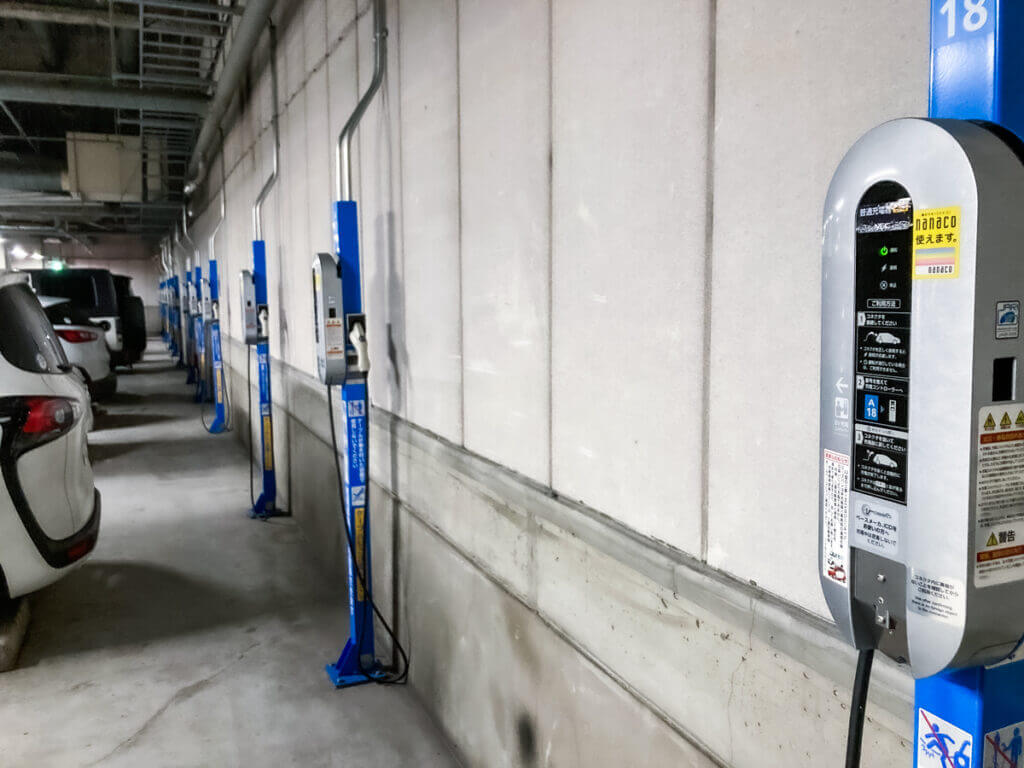
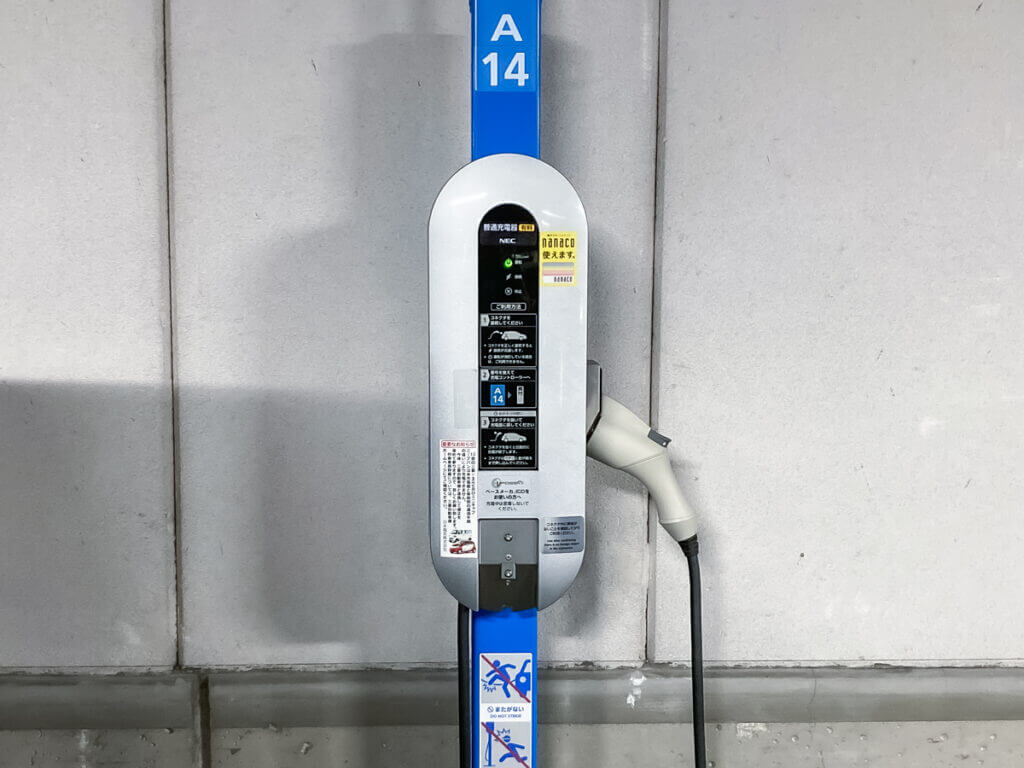
Installing EV chargers for electric vehicles
A number of EV chargers have been installed in the first parking lot, helping to promote the spread of clean energy cars.
Carbon dioxide reduction
waste
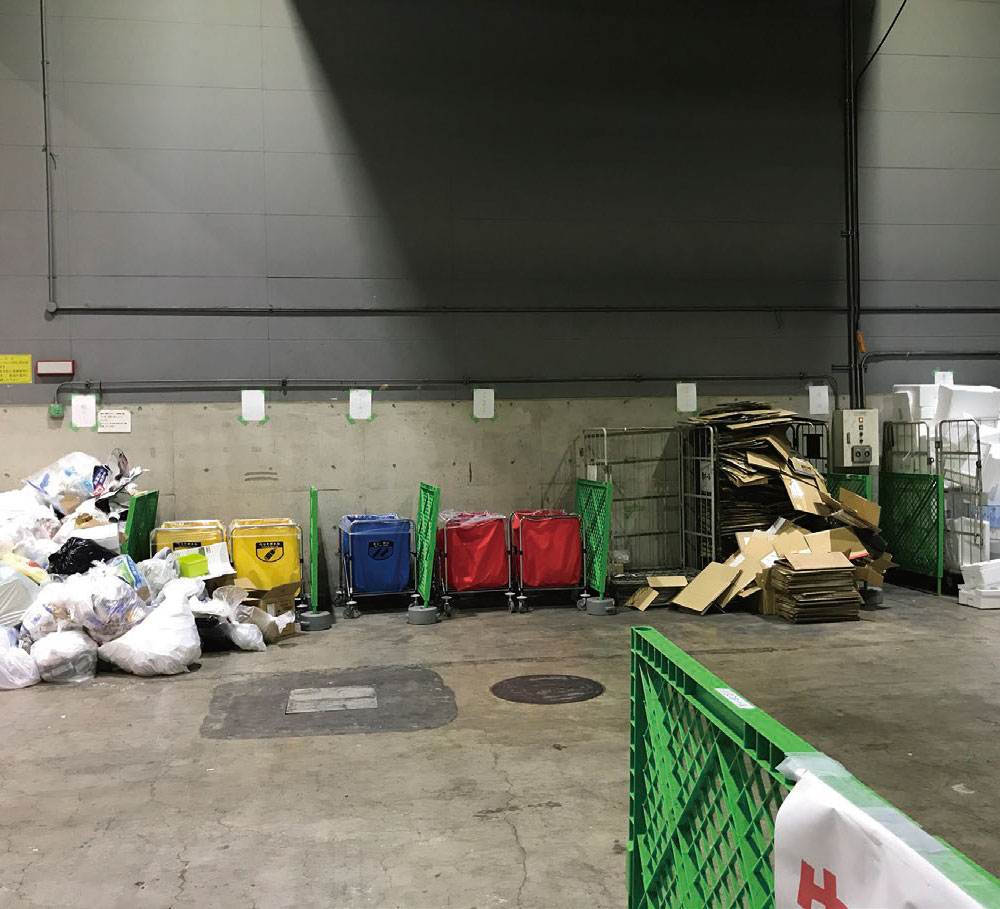
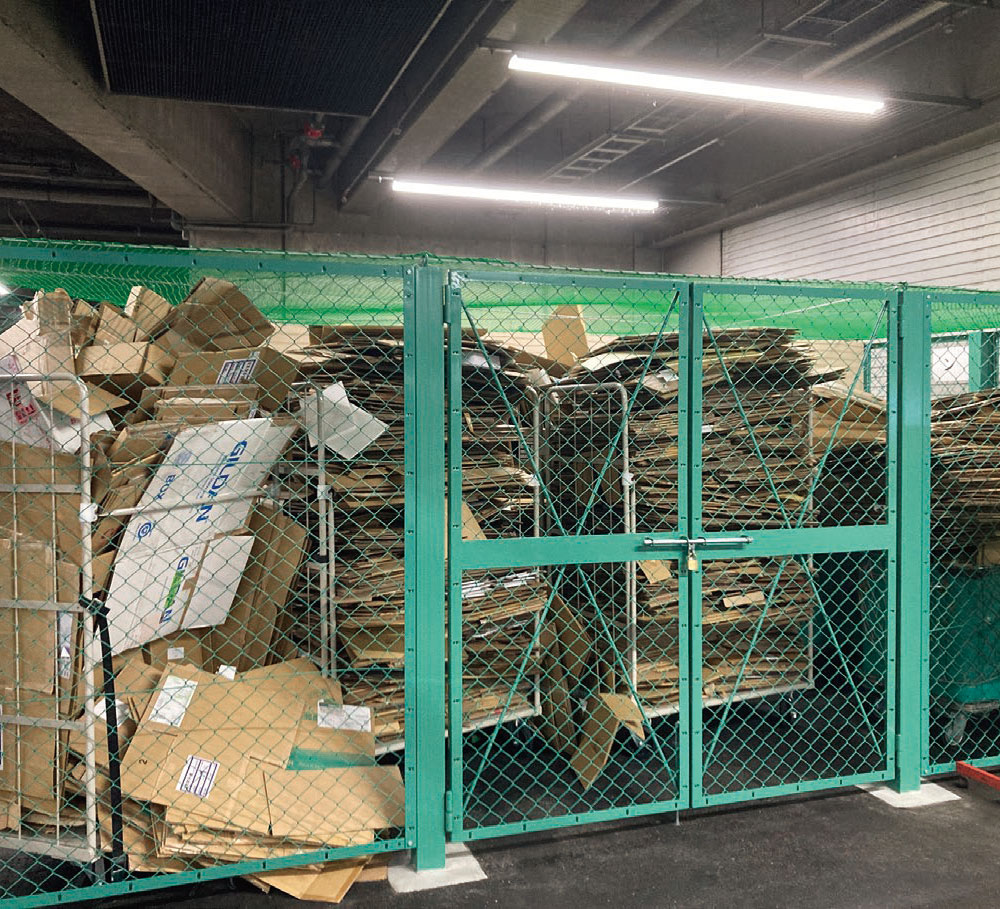
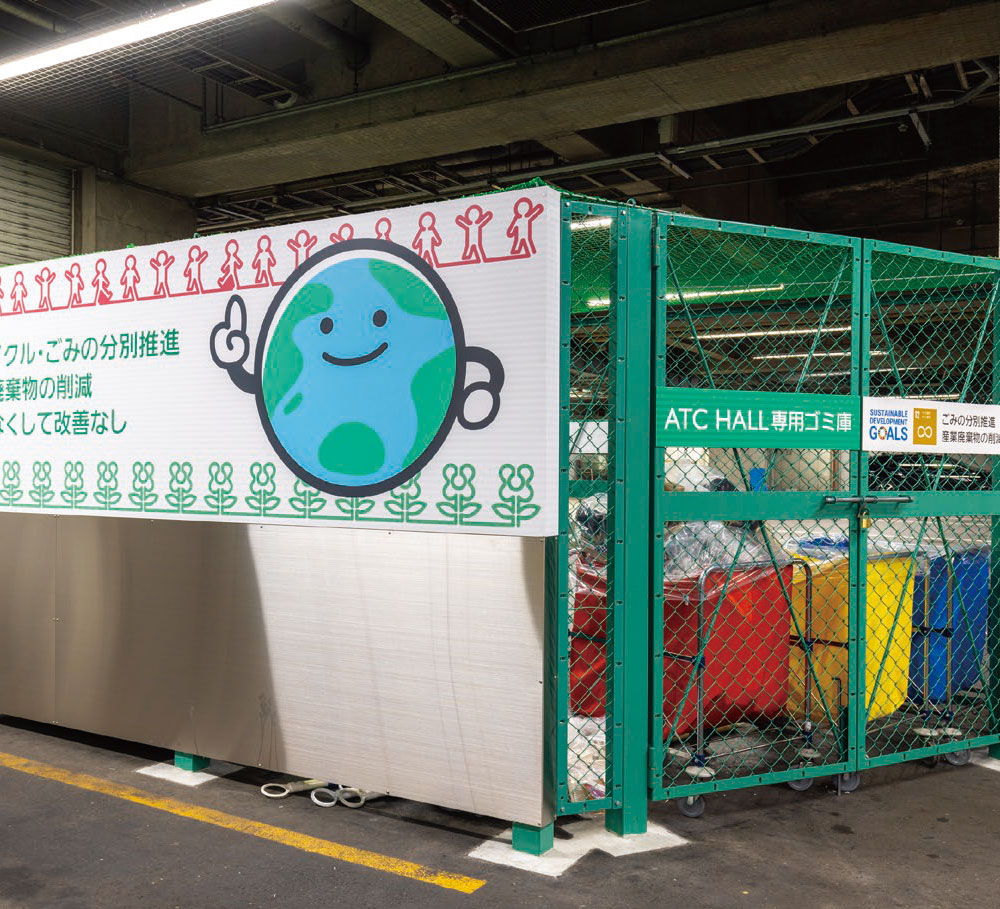
Promoting waste separation at the ATC Hall
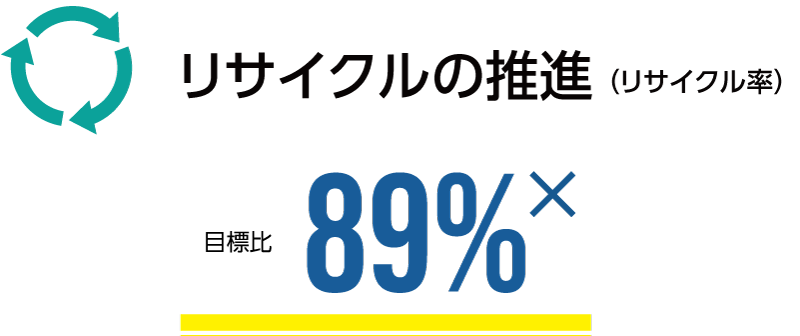
Promoting waste separation at food and beverage and fashion exhibitions, etc. With the cooperation of the organizers, we achieved a reduction in industrial waste by separating cardboard, bottles, cans, etc. and recycling them.
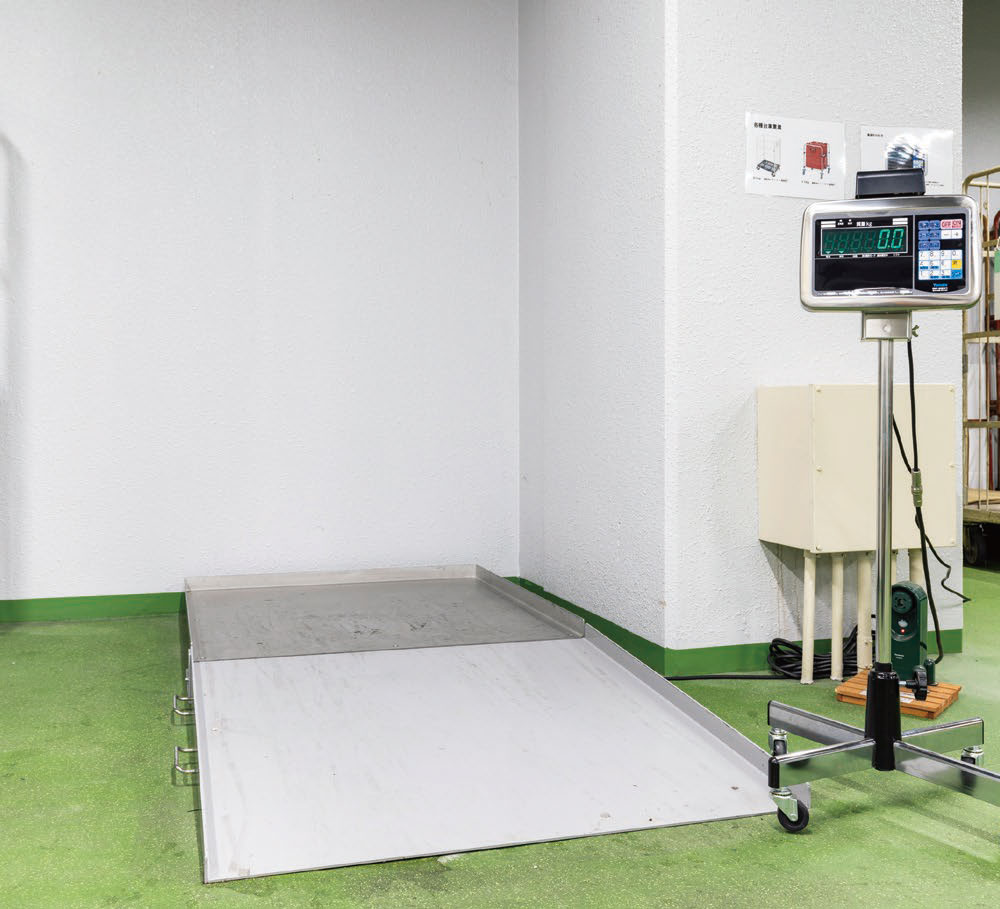
Introduction of waste sorting stations and scales
Sorting stations were set up by the hall organizers to make it easier for people to separate their waste.
By introducing a scale, it becomes possible to measure weight, making it easier to inform the organizers.
Other